St Joseph Bay Guide
Guide to Scalloping Season in St Joseph Bay
When is 2026 scalloping season St Joseph Bay in Cape San Blas?
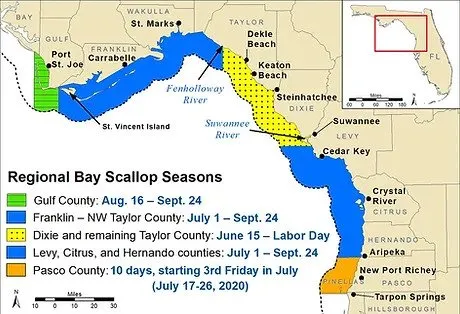
Scallop harvesting seasons vary by region in Florida. The Florida Fish and Wildlife Conservation Commission (FWC) releases and updates official scallop season dates each year.
Cape San Blas is located in the light-green region known as St. Joseph Bay / Gulf County.
2026 St. Joseph Bay Scallop Season Update
The 2026 recreational bay scallop harvest season in St. Joseph Bay and the Gulf County Zone has been CLOSED by the Florida Fish and Wildlife Conservation Commission (FWC).
The closure includes all state waters from the Mexico Beach Canal in Bay County to the westernmost point of St. Vincent Island in Franklin County, including all of St. Joseph Bay. FWC announced the closure after its summer 2026 survey found very low bay scallop abundance. The precautionary closure is intended to help protect the remaining scallop population and support successful future scallop seasons.
While scallop harvesting is not permitted in St. Joseph Bay during the 2026 season, the bay remains OPEN for boating, fishing, swimming, snorkeling, dolphin watching, shelling, and enjoying a beautiful day on the water!
We look forward to welcoming scallopers back to St. Joseph Bay when FWC determines the population is ready for future harvest seasons. 🦪💙
For the most current information, season updates, and regulations, visit the FWC Bay Scallop information page.
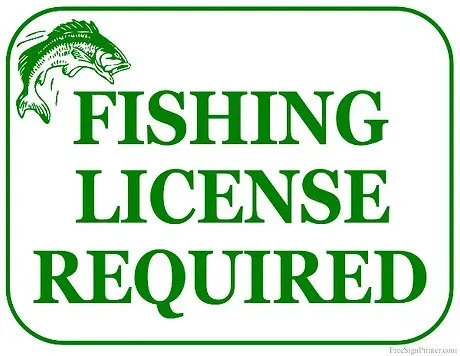
If you plan to go scalloping, you MUST have a Florida Salt Water Fishing License. These can be purchased at Bluewater Outriggers in Port St Joe, Scallop Cove Bait & Tackle on Cape San Blas, or online through https://gooutdoorsflorida.com/
For more information see www.myFWC.com
Planning for the 2027 Scallop Season?
Historically, the recreational bay scallop season for the St. Joseph Bay/Gulf County Zone has typically run from August 16 through September 24. We anticipate similar dates for the 2027 season, and guests planning their 2027 scalloping trips are welcome to reserve their boats in advance.
Please Note: Anticipated dates are provided for planning purposes only and are not guaranteed scallop season dates. The Florida Fish and Wildlife Conservation Commission (FWC) establishes scallop seasons and may change season dates or close an area to scallop harvesting based on scallop populations, environmental conditions, or other factors.
Customers are responsible for checking current FWC regulations, season dates, and any harvest closures that may affect their trip. Changes to scallop season dates or harvest closures do not automatically change or cancel a Bayou Boat Rentals reservation.
For the latest regulations and official season information, visit the FWC Bay Scallop Information Page
What do I need to have to go Scalloping?
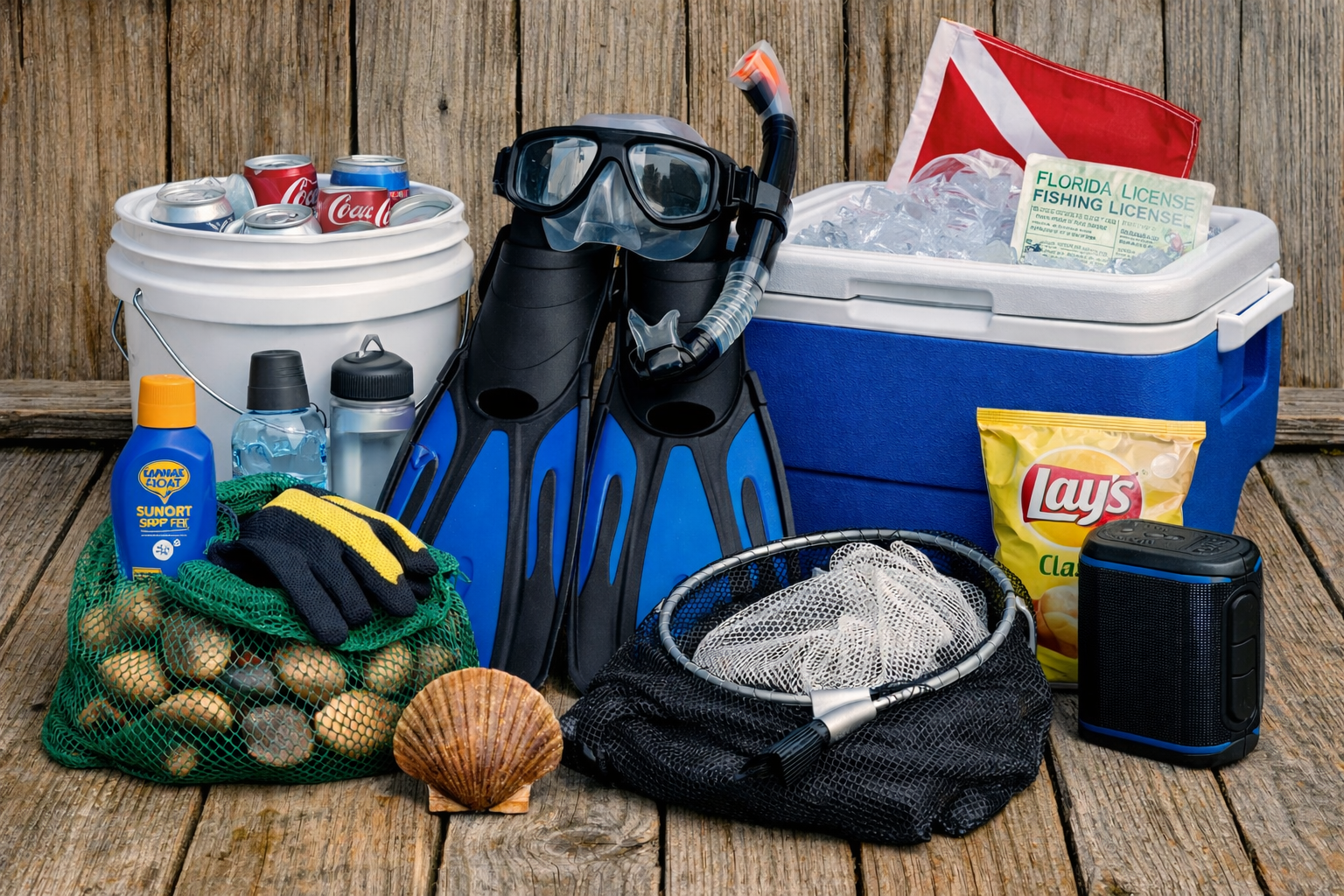
Scalloping Essentials: What You’ll Need Before You Go 🦪
- Mask, Snorkel and Fins- You have to see them, to catch them. (Mask & Snorkel Sets available to Rent!)
- Dive Flag – Safety first, let others know you are swimming in the water.
- Mesh Bag – Where else are you going to put your scallops?
- Florida Fishing License – It’s the law.
- Sun Screen – Protect your skin while you’re out on the water.
- Boat – Makes it easier to get to the 4-8 feet of water where scallops are typically found.
- Ice – Scallops are sensitive. Put them on ice once out of water.
- 1 or 5 Gallon Bucket- Used to measure and track your harvest toward your legal limit.
- Knife or spoon – You need a utensil to clean scallops..
- Food and Drinks – Keep yourself hydrated and energized.
How to find scallops?
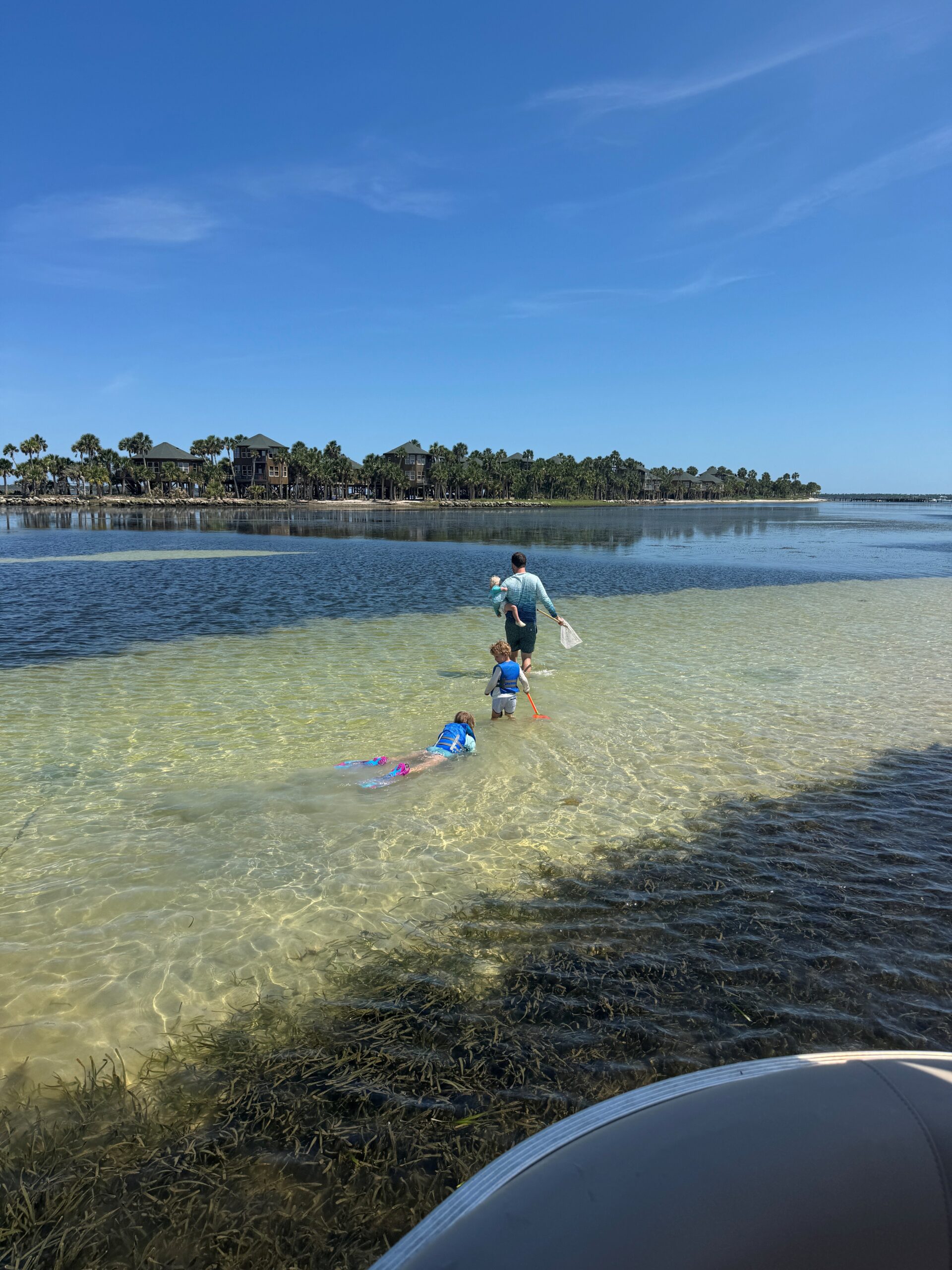
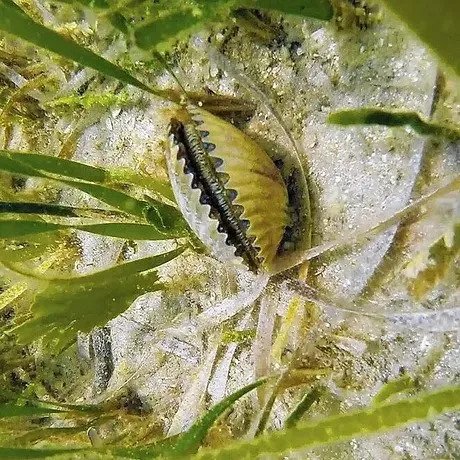
Scallops are typically found in water depths of 4–8 feet. Look for clear water with healthy seagrass beds, especially where sandy patches meet the edges of the grass. These transition areas are often the easiest places to spot scallops.
Scallops may try to swim away when they see you, but they don’t move very fast or travel far, so they’re easy to catch once you spot them.
Using a mesh bag while you’re underwater is helpful for collecting scallops as you go, and it keeps your hands free. It also helps prevent getting pinched while gathering.
Once you’re done scalloping, place your scallops immediately in a livewell or on ice in a cooler. Be sure to keep them separated from melting ice water, as scallops are sensitive and should stay cold and dry.
Grab your mask, snorkel, and fins, and you’re ready to head out for a great day of scalloping!
For easier access to prime scalloping areas, a boat makes all the difference. If you’d like to rent one of our pontoon boats, give us a call or go to “Boat Rentals” to reserve yours today.
How to clean a scallop?
Here is one way:
As soon as you take the scallops out of the water, put them on ice until you clean them.
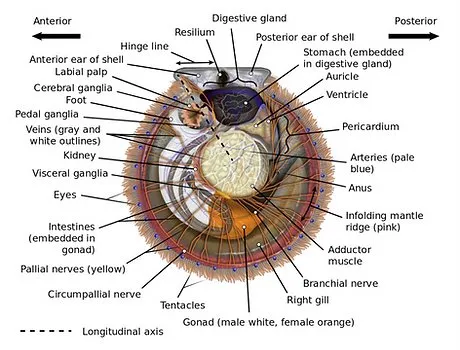
Take one and hold the scallop in the palm of a hand and using a oyster knife, insert it into the shell and cut the muscle away from one half of the muscle.
Then scrape and throw out the guts away from around the muscle, and then put the muscle into a container with ice.
Do that process to each until you don’t have any more.
Cook it however you’d like and enjoy!
Do you need a fishing license to scallop?
YES!
Recreational harvesters need a Florida saltwater fishing license to harvest bay scallops unless they are 1. exempt from needing a license or 2. have a no-cost shoreline fishing license and are wading from shore to collect scallops (i.e. feet do not leave bottom to swim, snorkel, or SCUBA and harvesters do not use a vessel to reach or return from the harvest location).
Florida Saltwater Fishing Licenses can be be purchased online at https://gooutdoorsflorida.com/ or you can purchase a license at Bluewater Outriggers in Port St Joe or Scallop Cove Bait & Tackle on Cape San Blas.
How to snorkel?
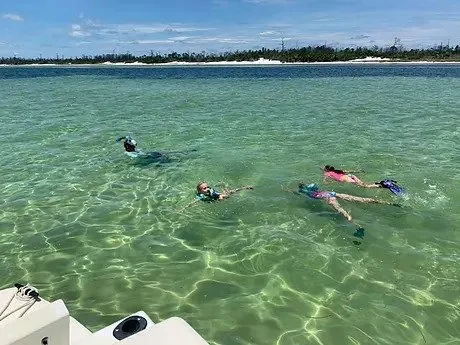
Never snorkeled before and want to try scalloping? No worries! Here are a few helpful tips to get you started
- Get properly fitted gear. Make sure your mask and snorkel fit comfortably. (Mask & snorkel sets are available to rent.)
- Use a dive flag. Always put out a dive flag before entering the water. Safety first. This lets other boaters know people are in the water.
- Don’t go alone. Bring a buddy so you can enjoy the experience together and look out for one another.
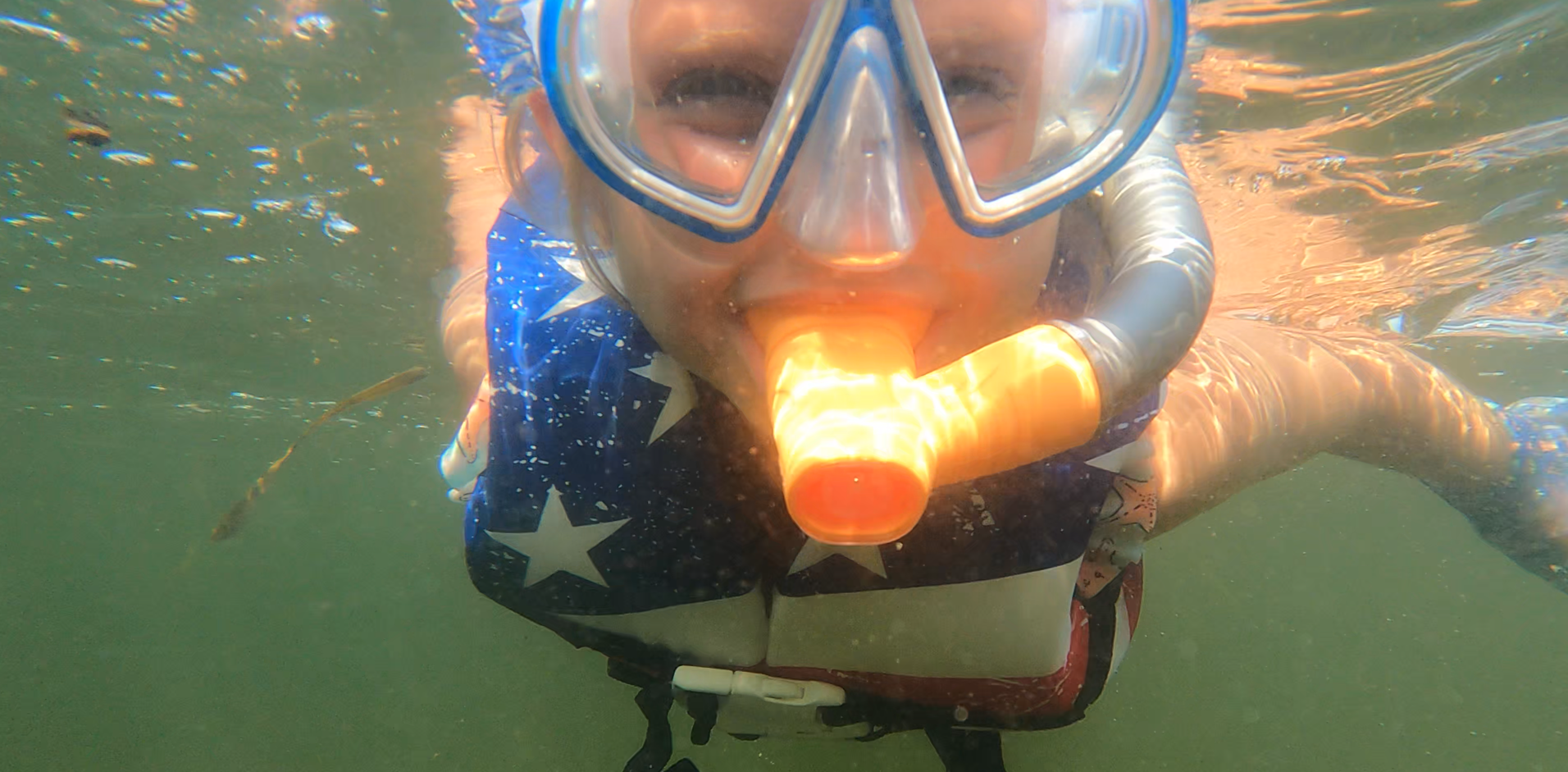
- Breathe normally. Practice in shallow water or while holding onto something that floats. Keep the top of the snorkel above the water. If water gets inside, simply blow sharply to clear it.
- Avoid biting the snorkel. Gently hold the mouthpiece in place. Biting down can cause jaw and mouth fatigue quickly.
- Float more than you swim. Move slowly and glide at your own pace. Swimming too hard can make breathing difficult and you may miss scallops along the way.
- Relax and enjoy it. Snorkeling should be calm and fun. Take your time and enjoy the view beneath the surface.
- Most importantly—have fun!
How many scallops can you take during season?
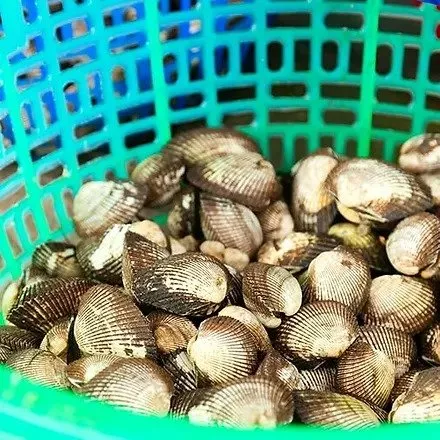
The daily bag limit is 2 gallons of whole bay scallops in the shell, or 1 pint of bay scallop meat per person.
The maximum harvest per vessel is 10 gallons of whole bay scallops in the shell, or ½ gallon of bay scallop meat total, regardless of the number of people on board.
How to clean shells?
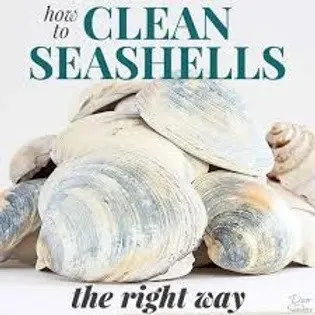
Here are some tips to brighten them and remove any smell:
Smell: Hand rinsed in warm water and leave in 3 parts water, 1 part bleach for 24 hours to totally clean and remove any smell. Thoroughly scrub the shells after soaking.
Brighten: After they are clean and dry for at least 24 hours, rub each dry shell with baby oil or mineral oil.
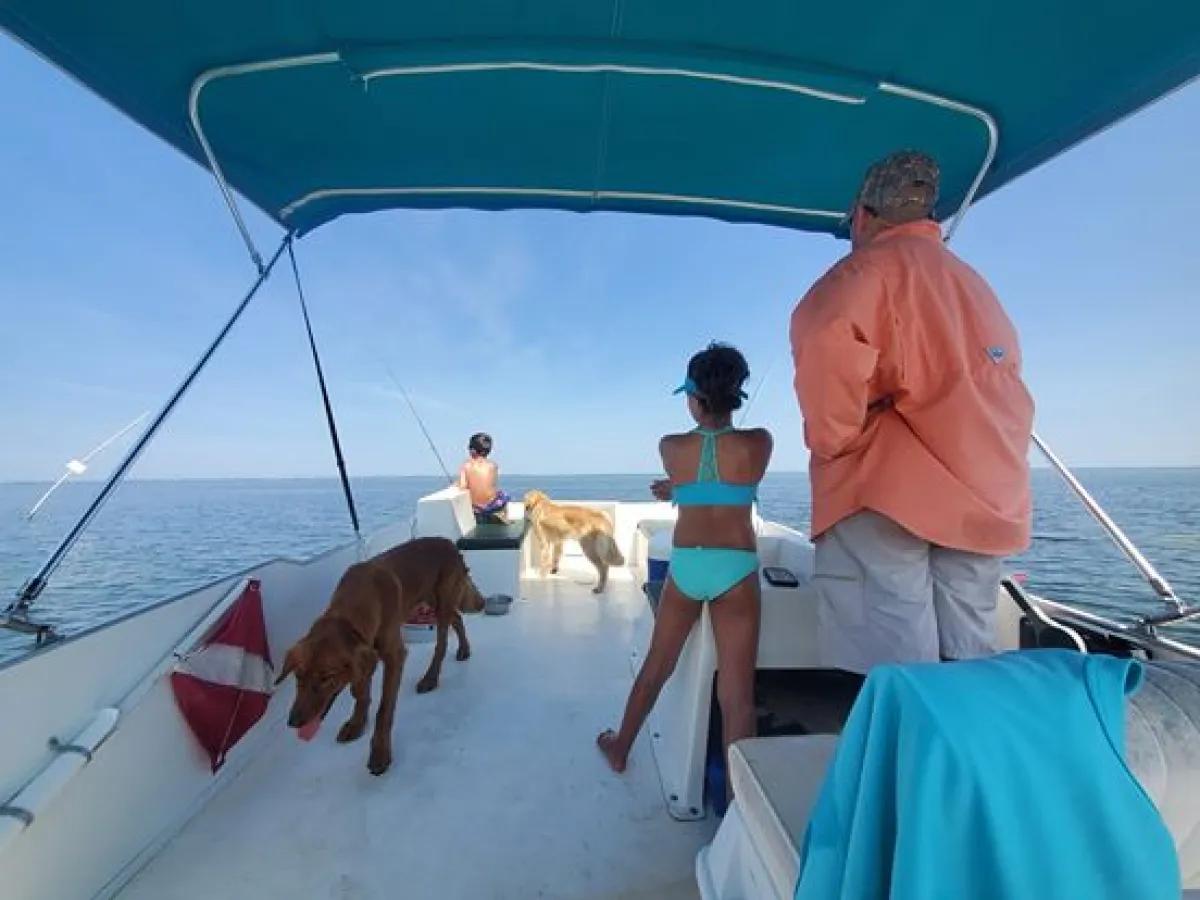
Guided Trips
Bayou Boat Rentals offers Guided Trips, Sunset Tours, and more with one of our USCG licensed captains. Call us today to check our availability for Guided Trips (850) 441-9343!
Local Guided & Fishing Trips available with the following captains:
KIDD MULLET CHARTERS 850-691-6611
DOGHOUSE CHARTERS 850-527-9530
SHALLOW SEAS CHARTERS 850-247-0799
GETTIN’ REEL SPORTFISHING 850-227-8056
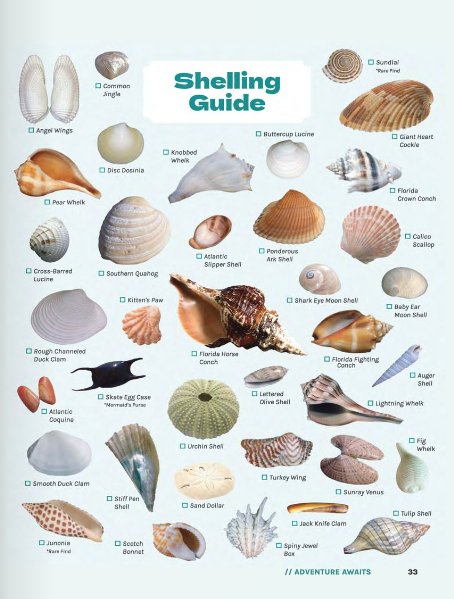
Fishing & Shelling Guides